What Makes a Plumbing Job “Up to Code” in Nebraska?
When a plumbing repair or installation is finished, it might look fine on the surface — but that doesn’t always mean it’s up to code. Pipes hidden behind walls, improper materials, or missing safety components can create serious problems long after the work is “done.”
In Nebraska, plumbing codes exist to protect homeowners, tenants, and properties from unsafe installations, water contamination, water damage, and long-term system failures. These codes set clear standards for how plumbing systems must be installed, repaired, and maintained to ensure safety, reliability, and proper performance.
Understanding what “up to code” really means helps homeowners and property managers make informed decisions, avoid costly corrections, and protect their investment. Knowing the basics can also help you recognize when work may need to be corrected — before it turns into a compliance issue, failed inspection, or expensive rework down the road.

⚠️ The Problem: “It Works” Isn’t the Same as “It’s Legal”
One of the most common misconceptions in plumbing is assuming that if water flows and drains properly, the work must be correct. In reality, many plumbing code violations don’t cause immediate problems — they quietly sit behind walls or under floors until something goes wrong.
Plumbing codes are designed to prevent future failures, not just fix today’s symptoms. Work that appears functional can still be unsafe, out of compliance, or prone to failure over time.
Common code-related issues we see include:
- Unpermitted work completed without required inspections or approvals
- Improper venting or pipe sizing, which can lead to slow drains, sewer gas exposure, or system strain
- Missing safety components, such as backflow prevention or proper shut-off valves
- Incorrect materials or improper connections that deteriorate prematurely or violate code requirements
These issues often go unnoticed until a home inspection, property sale, insurance claim, or plumbing emergency exposes them — turning a “working” system into a costly correction.
🧰 What “Up to Code” Means in Nebraska
Plumbing codes in Nebraska are based on state and local regulations designed to ensure safety, performance, and consistency. A job that’s up to code includes:
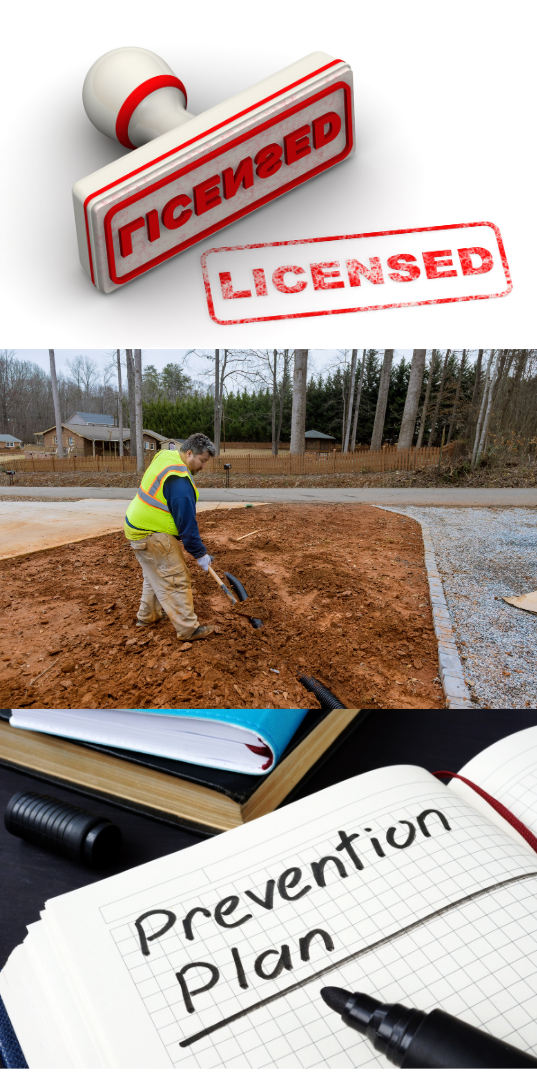
1. Proper licensing and permits
Work must be performed by a licensed plumber, and permits must be pulled when required.
2. Correct materials and pipe sizing
Approved materials must be used, and pipes must be sized correctly to maintain pressure and drainage.
3. Proper venting and drainage
Vents must allow sewer gases to escape safely, and drains must be installed with proper slope to prevent backups.
4. Functional shut-off valves
Accessible shut-offs are required for fixtures and appliances to allow quick response in emergencies.
5. Backflow prevention
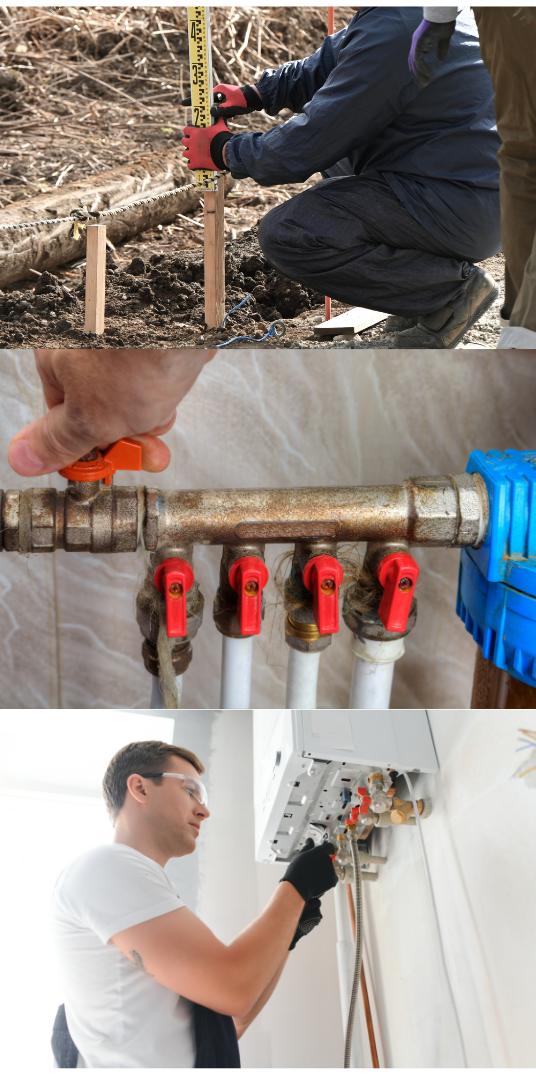
Devices must be installed where required to protect the potable water supply from contamination.
6. Code-compliant water heater installations
This includes correct venting, temperature settings, expansion tanks, and safety relief valves.
💧 Why Code Compliance Matters
Plumbing codes aren’t just bureaucratic red tape — they exist to protect homeowners, occupants, and properties from serious and often expensive risks. Code requirements are built around safety, sanitation, and long-term system performance, not just short-term functionality.
When plumbing work isn’t up to code, the consequences can extend far beyond the original repair or installation. Non-compliant plumbing can lead to:
- Failed inspections, delaying remodels, sales, or occupancy
- Fines or required rework, often costing more than doing it right the first time
- Voided or denied insurance coverage, especially after water damage claims
- Safety hazards and water damage, including leaks, sewer gas exposure, and contamination
- Reduced property value, as buyers and inspectors flag code violations
Code-compliant plumbing ensures your system is safe, efficient, and reliable for the long term — giving you confidence that the work behind the walls is done correctly and built to last.
✅ How to Ensure Your Plumbing Is Up to Code
Protecting your home or property starts with making sure plumbing work is done correctly — and legally — from the beginning. Whether you’re planning a repair, upgrade, or full installation, taking the right steps can help you avoid costly mistakes and compliance issues down the road.
Here’s how homeowners and property managers can protect themselves:
1. Hire licensed plumbers only
Licensed plumbers are trained to follow Nebraska plumbing codes and stay current with local inspection and safety requirements. Proper licensing ensures the work meets legal and technical standards.
2. Ask about permits
Many plumbing repairs and installations require permits. If a permit is needed, make sure it’s pulled and inspected properly. Permits protect you by ensuring the work is reviewed and approved by local authorities.
3. Get documentation
Always keep records of repairs, permits, inspections, and warranties. Proper documentation is invaluable during home sales, insurance claims, or future renovations.
4. Schedule inspections
Proactive plumbing inspections can identify code violations, safety concerns, or aging components before they turn into emergencies or expensive corrections.
5. Avoid shortcuts
Cheap, rushed, or unpermitted work often leads to code violations and repeat repairs. Doing the job right the first time saves money, protects your property, and ensures long-term reliability.
Taking these steps helps ensure your plumbing system is safe, compliant, and built to perform reliably for years to come.
💬 Trust the Professionals Who Know the Code
At McIntosh Plumbing, every repair and installation is completed with Nebraska plumbing codes in mind — no shortcuts, no guesswork.
We make sure your plumbing isn’t just working today, but safe, compliant, and reliable for years to come.
Schedule a plumbing inspection today and get peace of mind knowing your system is truly up to code.
📍 Local. Licensed. Code-Compliant.
🔧 Done right. On time. Built to last.