
Drain Backups: What Omaha Landlords & Property Managers Need to Know
For Omaha landlords and property managers, a basement drain backup isn’t just a plumbing inconvenience — it’s a high-risk event that can spiral into property damage, tenant displacement, insurance claims, lost rent, and compliance headaches in a matter of hours.
Unlike single-family homes, rental properties face compounding risks: higher water usage, delayed reporting, shared systems, and greater exposure to liability. When a basement drain backs up, the consequences extend far beyond the repair itself.
Omaha’s aging sewer infrastructure, frequent heavy rain events, and large inventory of older rental housing make basement drain backups far more common here than many owners realize. Knowing how to respond — and more importantly, how to prevent repeat incidents — protects your properties, your tenants, and your long-term operating costs.
⚠️ Why Basement Drain Backups Are Especially Risky in Omaha Rentals
Several Omaha-specific conditions significantly increase backup risk across rental properties:
Older sewer lines are common in Omaha neighborhoods
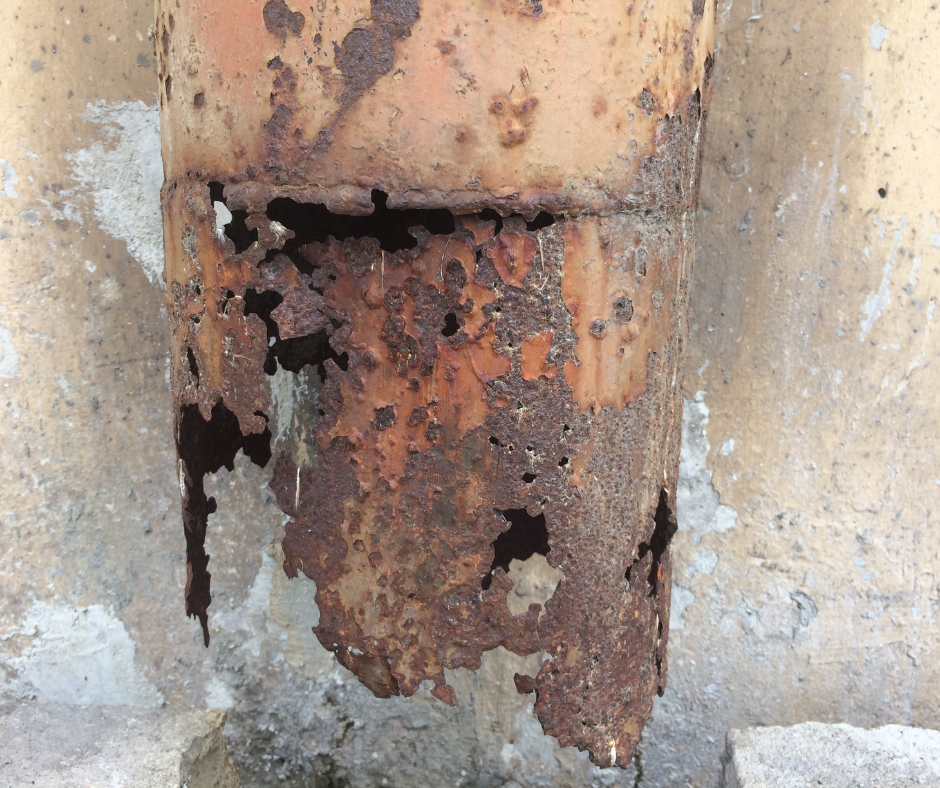
Many Omaha rentals still rely on clay or cast-iron sewer lines installed decades ago. These materials were never intended to last indefinitely and are now highly vulnerable to cracking, joint separation, corrosion, and collapse. Even small failures can restrict flow and cause wastewater to back up into basements.
Heavy rain and combined sewer systems
Portions of Omaha still operate with combined sewer infrastructure, where stormwater and wastewater share the same system. During major rain events, these systems surcharge — forcing sewage back toward properties instead of away from them.
High tenant water usage during peak hours
Multiple tenants running showers, laundry, dishwashers, and toilets at the same time puts enormous strain on compromised sewer lines. What a single-family home might tolerate, a multi-unit rental often cannot.
Delayed reporting by tenants
Early warning signs — gurgling drains, slow backups, sewer odors — often go unnoticed or unreported. By the time property management is notified, water may already be coming up through the basement floor drain.
Basements are common in Omaha rentals
Many Omaha rental properties include basements with floor drains, laundry rooms, or full bathrooms. Because these fixtures sit below street level, they become the first place sewage appears when a backup occurs.
In short: Omaha rentals are often perfect candidates for sewer backups unless proactive steps are taken.
🧰 Most Common Causes of Basement Drain Backups in Omaha Rental Properties
From our experience servicing rental properties across Omaha, basement drain backups typically stem from one or more of the following issues:
Main sewer line blockages
Grease, wipes, hygiene products, and years of accumulated debris reduce pipe capacity until wastewater has nowhere to go but back into the building.
Tree root intrusion
Omaha’s mature tree canopies are a major factor. Roots naturally seek moisture and enter sewer lines through weakened joints or cracks, growing over time and catching waste.
Storm-related sewer surcharging
Heavy rainfall overwhelms city systems, especially in areas with combined sewers, causing wastewater to reverse direction.
No backwater valve installed
Without a backwater valve, there is nothing stopping sewage from flowing backward into basement drains during a surge.
Deferred sewer inspections and cleaning
Small issues become emergencies when routine maintenance is delayed or skipped. Sewer lines rarely fail suddenly — they deteriorate quietly over time.
These problems do not resolve themselves. In most cases, they worsen with each storm or high-usage period.
✅ Best Practices for Omaha Landlords & Property Managers
1. Create a clear tenant emergency protocol
Tenants should know exactly:
- Who to call immediately
- To stop using all water
- To stay out of affected areas
Clear instructions reduce damage, limit health risks, and minimize liability.
2. Schedule regular sewer camera inspections
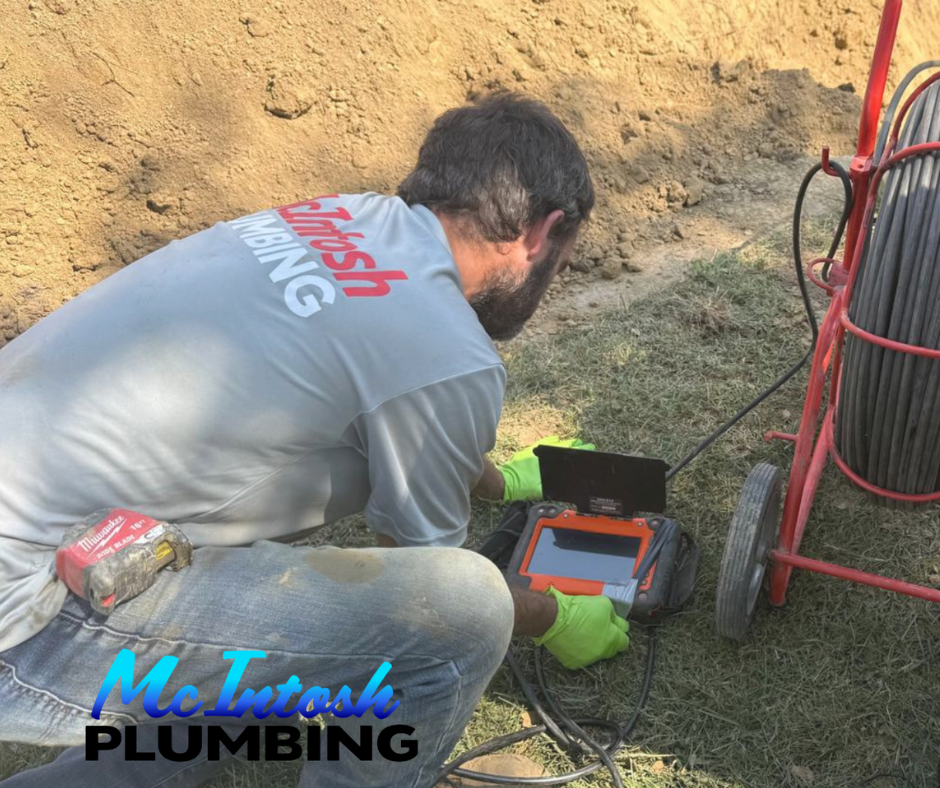
Camera inspections are one of the most cost-effective tools available to Omaha rental owners. They identify root intrusion, pipe damage, offsets, and blockages before a storm turns them into an emergency.
3. Install backwater valves in high-risk properties
Omaha rentals with:
- Basement bathrooms
- Floor drains
- Below-grade living spaces
are prime candidates. Backwater valves are one of the most effective defenses against sewage backups during city surcharges.
4. Perform preventive sewer maintenance
Routine sewer cleaning and root management significantly extend pipe life and reduce repeat incidents — especially in properties surrounded by mature trees.
5. Maintain thorough documentation
Inspection reports, maintenance logs, and repair records protect you during:
- Insurance claims
- City inspections
- Tenant disputes
- Property sales or refinancing
Documentation demonstrates proactive, responsible property management and reduces legal exposure.
💬 Protect Your Omaha Properties — and Your Tenants
At McIntosh Plumbing, we work directly with Omaha landlords and property managers to reduce sewer emergencies and build long-term plumbing protection plans across entire portfolios.
From sewer camera inspections and preventive maintenance to backwater valve installations and emergency response support, we help you stay ahead of basement drain backups — not react after the damage is done.
Schedule a property sewer evaluation today and protect your Omaha rentals from costly, avoidable sewer emergencies.
📍 Omaha-based. Portfolio-focused. Preventive.
🔧 Done right. On time. Built to last.