
How to Fix Recurring Low Water Pressure in Bellevue
Low water pressure can quickly turn everyday tasks into a constant frustration — from weak showers and slow-filling sinks to appliances that take far longer than they should to operate. When water pressure drops, it affects comfort, efficiency, and even the lifespan of plumbing fixtures and appliances throughout your home.
For many Bellevue homeowners, low or inconsistent water pressure isn’t caused by a single clogged faucet or fixture. Instead, it often points to a deeper issue within the plumbing system. Aging pipes, mineral buildup from hard water, hidden leaks, or failing pressure-regulating components can all contribute to pressure problems that keep returning despite temporary fixes.
Understanding what’s actually causing the pressure drop is the key to solving the problem for good. By identifying the most common sources of recurring low water pressure and addressing them early, homeowners can restore proper flow, protect their plumbing system, and avoid more serious issues down the road.
⚠️ The Problem: Pressure Issues Rarely Fix Themselves
Many homeowners hope low pressure is temporary, but recurring issues usually signal a larger plumbing problem.
Common symptoms include:
- Weak water flow from multiple fixtures
- Pressure that drops when more than one tap is used
- Sudden changes in pressure without warning
- Inconsistent pressure throughout the home
Ignoring these signs can lead to pipe damage, appliance wear, and ongoing frustration.
🧰 What Causes Low Water Pressure in Bellevue Homes?
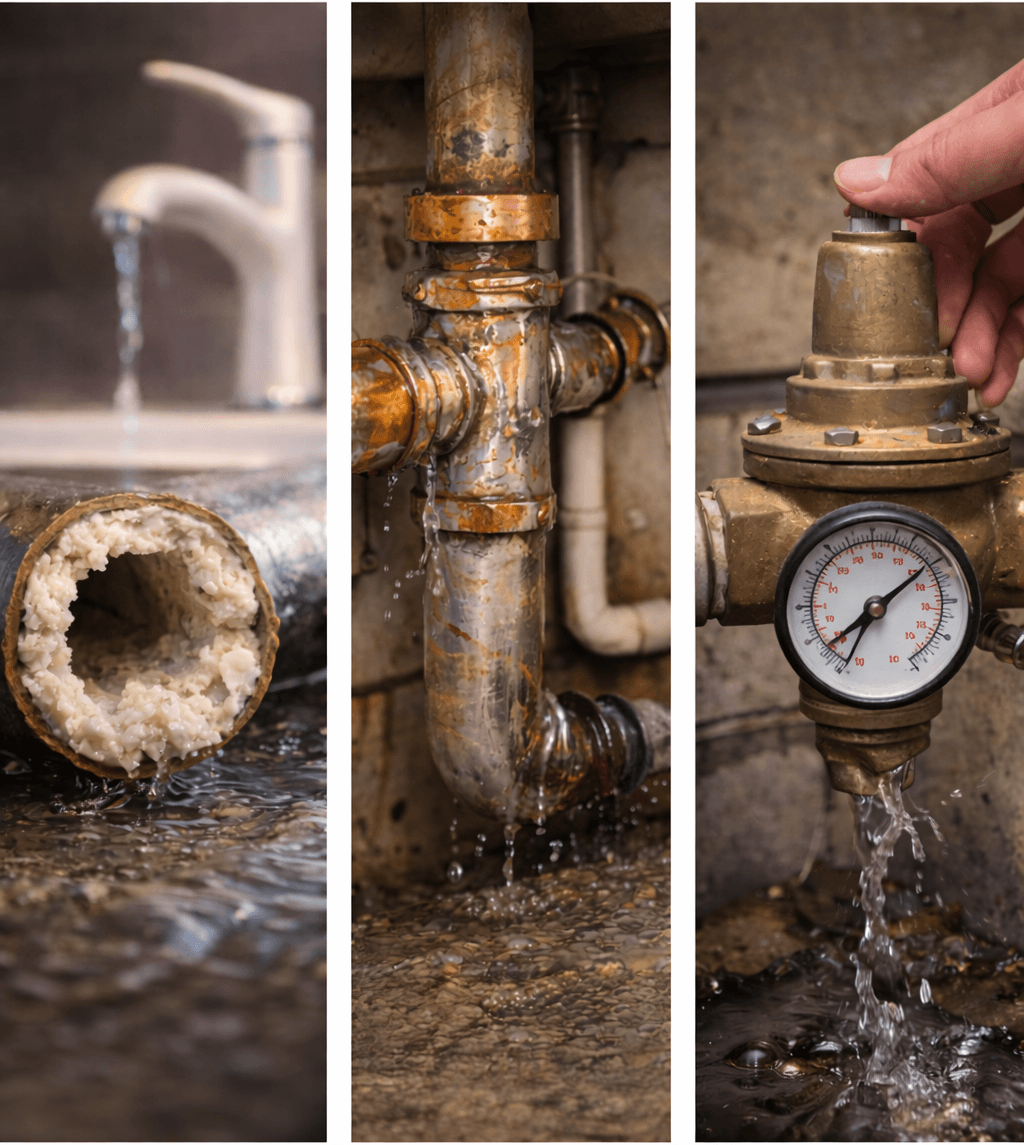
1. Mineral Buildup from Hard Water
Over time, minerals accumulate inside pipes and fixtures, narrowing passageways and restricting flow — a common issue in Bellevue homes.
2. Aging or Corroded Pipes
Older plumbing materials can corrode internally, reducing water flow and causing uneven pressure throughout the system.
3. Faulty Pressure Regulator
A failing pressure-reducing valve (PRV) can cause pressure to drop suddenly or fluctuate without explanation.
4. Hidden Leaks
Leaks behind walls or underground can steal pressure before water ever reaches your fixtures — and may go unnoticed for months.
5. Municipal Supply Issues
Sometimes the issue isn’t inside your home at all. City supply changes, valve problems, or main line issues can impact pressure temporarily.
💧 Why This Matters for Bellevue Homeowners
Low water pressure isn’t just inconvenient — it can signal problems that worsen over time.
Left unaddressed, pressure issues can lead to:
- Premature wear on appliances
- Increased energy and water usage
- Pipe damage or leaks
- Reduced home comfort and value
Getting to the root cause ensures the fix actually lasts.
✅ How to Fix Low Water Pressure for Good
Here’s the right approach to resolving recurring pressure problems:
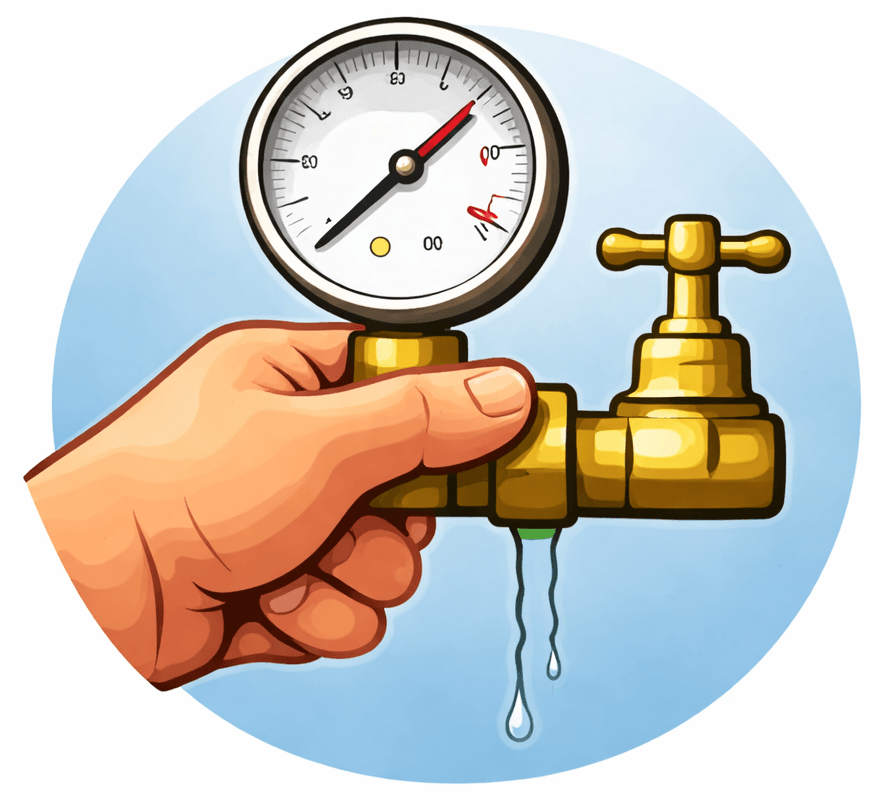
1. Start with a pressure test
Measuring pressure at multiple points helps pinpoint whether the issue is local or system-wide.
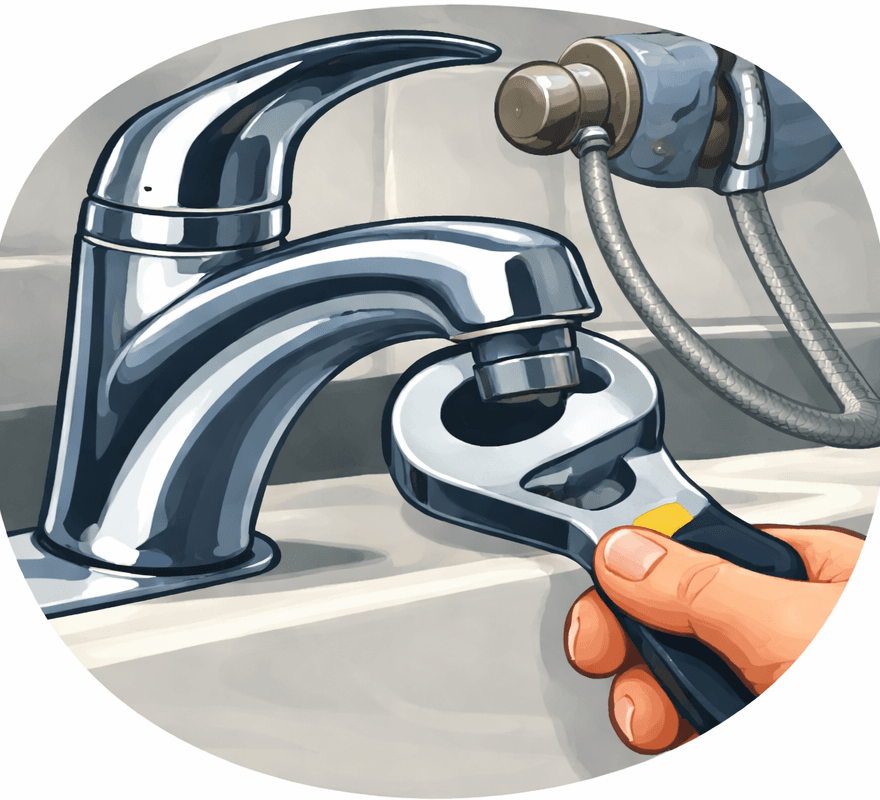
2. Inspect fixtures and supply lines
Cleaning aerators and checking valves can rule out simple blockages.
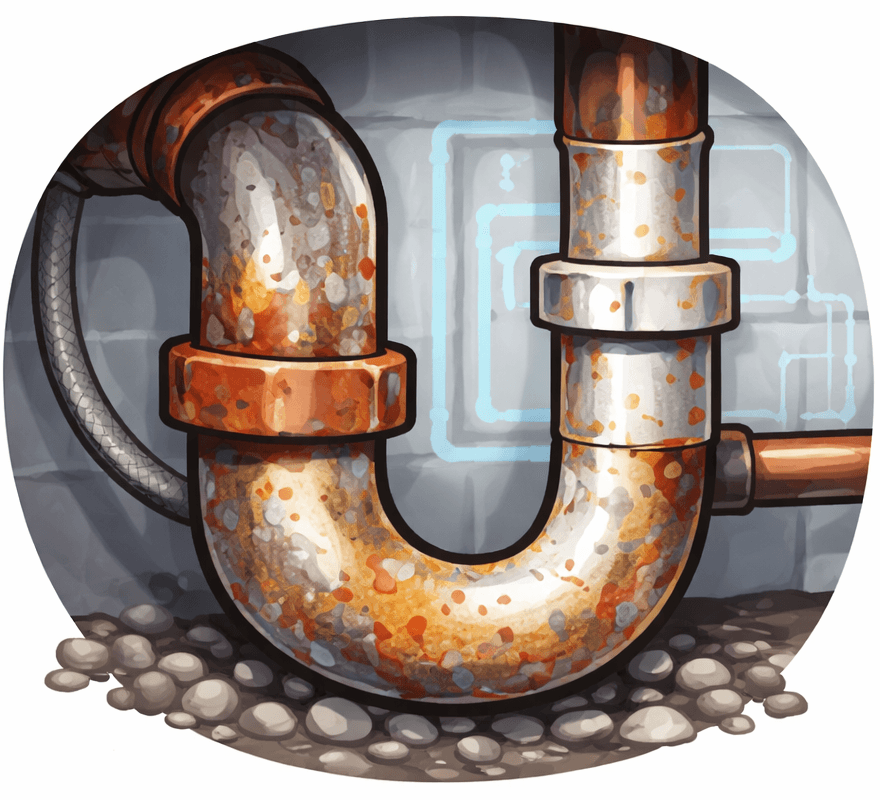
3. Evaluate pipes and plumbing layout
A professional inspection identifies corrosion, buildup, or undersized piping.
4. Repair leaks and replace failing components
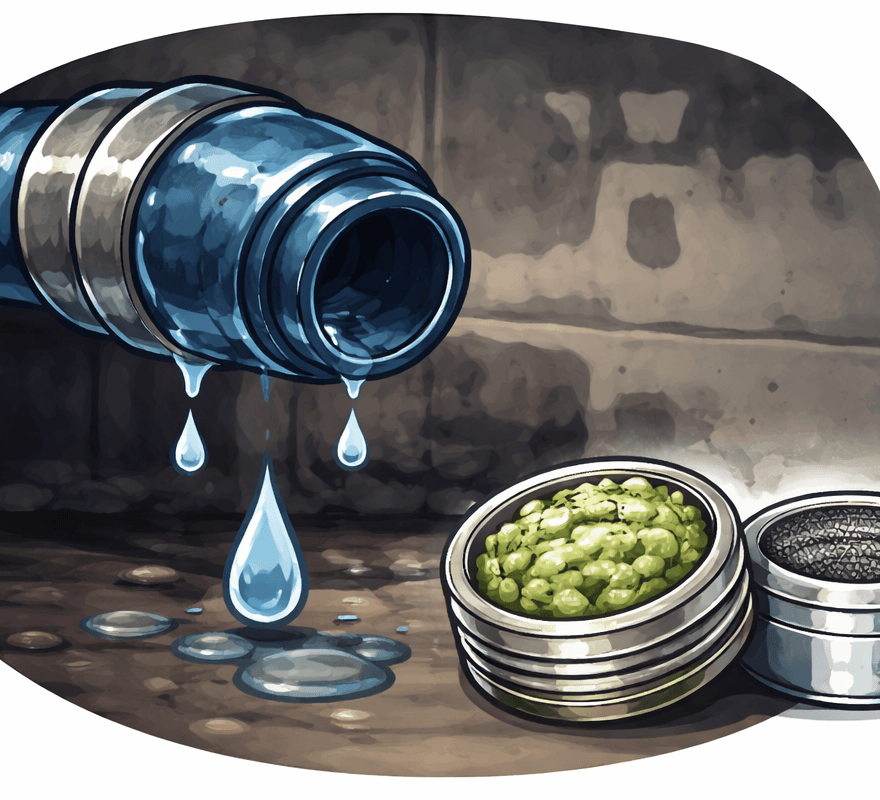
Fixing hidden leaks or replacing a faulty PRV often restores normal pressure.
5. Consider system upgrades
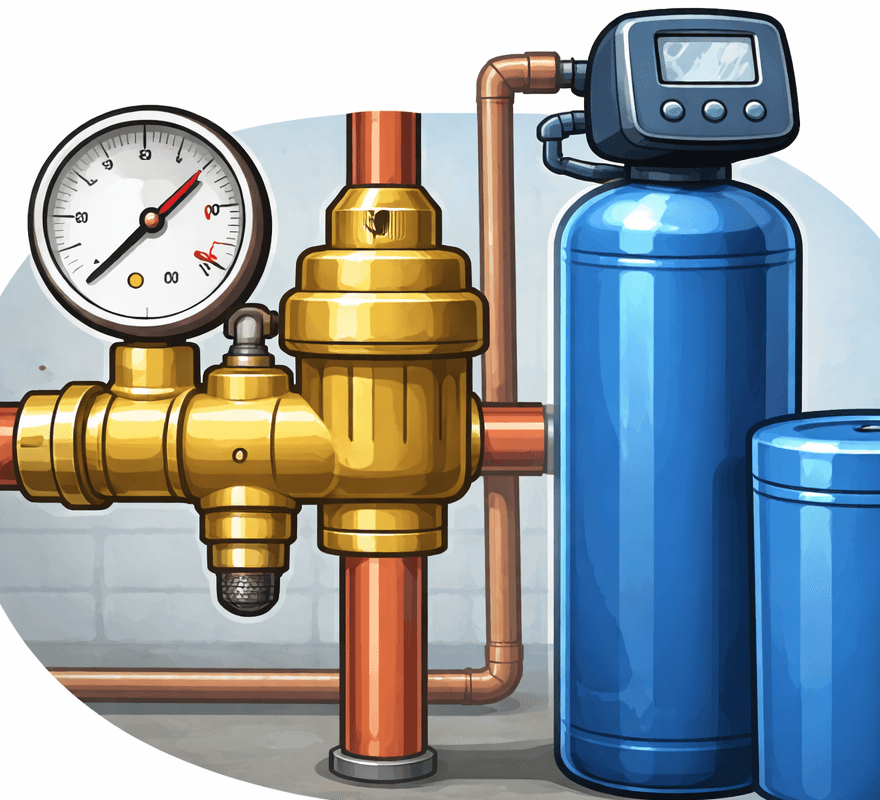
In some cases, repiping or water treatment solutions provide long-term relief.
💬 Make the Right Call With Expert Guidance
At McIntosh Plumbing, we help Bellevue homeowners diagnose and fix low water pressure issues the right way — not just apply temporary fixes.
Our licensed plumbers identify the root cause and recommend solutions that improve flow, efficiency, and comfort.
Schedule a plumbing inspection today and get your water pressure back where it should be.
📍 Local. Thorough. Reliable.
🔧 Done right. On time. Built to last.
Need Help? McIntosh Plumbing Is Here.
Licensed plumbers serving Council Bluffs, Omaha, and surrounding communities. Same-day service available.
Leak Detection & Pipe Repair · Plumber in Bellevue, NE · Contact Us