
The Lifecycle of a Water Softener: When to Repair vs Replace
Water softeners work quietly in the background, doing a job most homeowners never think about — protecting pipes, appliances, and fixtures from the long-term damage caused by hard water. By reducing mineral buildup, these systems help extend the life of water heaters, improve soap efficiency, and keep plumbing running smoothly.
But like any mechanical system, a water softener isn’t built to last forever. Over time, internal components wear down, efficiency declines, and hard water issues slowly return — often without obvious warning signs at first. Many homeowners don’t realize there’s a problem until scale shows up on fixtures, water pressure drops, or appliances begin to fail prematurely.
For homeowners and property managers in Omaha and Council Bluffs — where hard water is a consistent challenge — knowing when a water softener can be repaired and when replacement is the smarter long-term option can make a significant difference. Making the right call at the right time can save money, reduce emergency service calls, and protect the entire plumbing system.
Understanding the typical lifecycle of a water softener allows you to plan ahead instead of reacting to breakdowns. Here’s what you need to know about how these systems age, the warning signs to watch for, and how to decide whether repair or replacement makes the most sense at each stage.
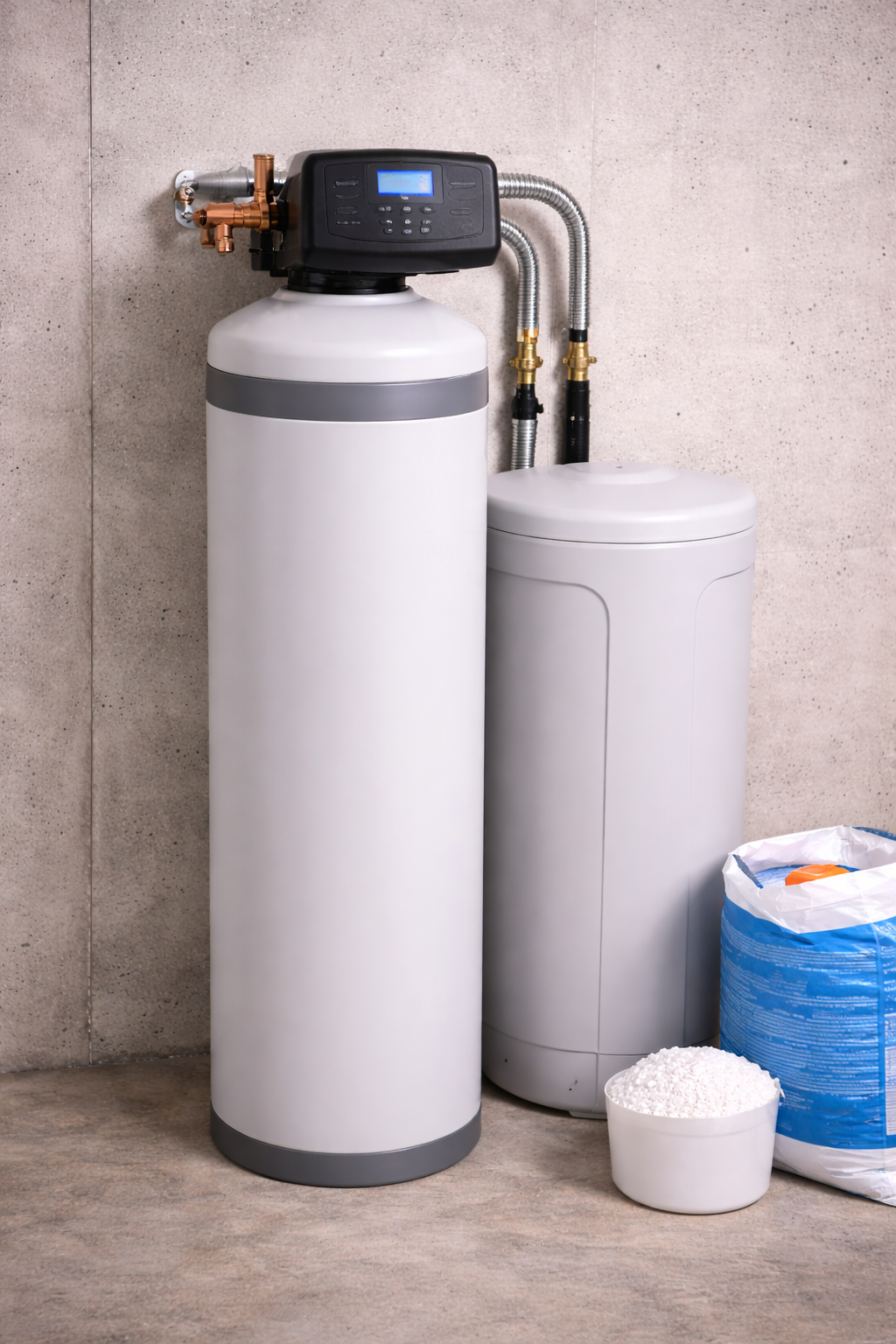
⚠️ The Problem: Softener Issues Often Go Unnoticed
Unlike a broken faucet or clogged drain, water softener problems aren’t always obvious. Many systems fail gradually — allowing hard water to damage plumbing long before you realize there’s an issue.
Common warning signs include:
- Water feels hard or leaves scale on fixtures
- Spots on dishes and glassware
- Dry skin or dull laundry
- Low water pressure caused by mineral buildup
- A system that’s constantly regenerating or not regenerating at all
Ignoring these signs can shorten the life of your plumbing and appliances.
🧰 Understanding the Water Softener Lifecycle
Most water softeners last 10–15 years, depending on usage, water quality, and maintenance. Here’s how to think about each stage:
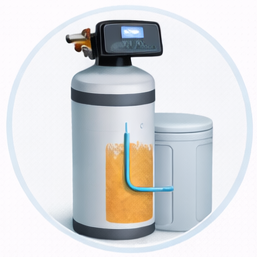
Early Years (0–5 years)
- Minor adjustments or settings corrections
- Occasional valve or seal repairs
- Salt bridging or resin cleaning
👉 Repairs are usually simple and cost-effective.
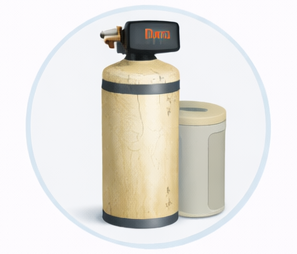
Mid-Life (6–10 years)
- Worn control valves
- Resin bed degradation
- Reduced efficiency or inconsistent softening
👉 Repairs can still make sense, especially with regular maintenance.
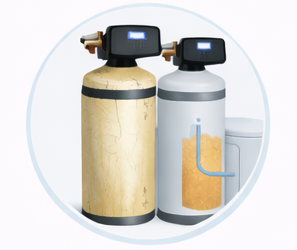
Late Stage (10+ years)
- Frequent breakdowns
- Outdated technology
- Higher salt and water usage
- Hard-to-find replacement parts
👉 Replacement often becomes the smarter long-term option.
✅ When Repair Makes Sense
Repairing a water softener is usually the right choice when:
- The system is under 10 years old
- Issues are isolated (valves, seals, programming)
- Parts are readily available
- The unit is still efficiently softening water
In many cases, a quick repair or service visit can restore full performance.
🔁 When Replacement Is the Better Option
Replacing your water softener may be the better investment if:
The system is over 10–15 years old.

Repairs are becoming frequent or costly.
You’re seeing ongoing hard water symptoms.
The unit uses outdated, inefficient technology.

You want better efficiency for multi-unit or high-usage properties.
Newer systems are more efficient, use less salt and water, and offer improved reliability — especially for rental properties or large households.
💬 Make the Right Call With Expert Guidance
At McIntosh Plumbing, we help homeowners, landlords, and property managers evaluate water softener systems honestly — recommending repairs when they make sense and replacements only when necessary.
Whether you’re maintaining one home or an entire portfolio, we’ll help you protect your plumbing investment and improve water quality.
Schedule a water softener inspection today and get clear answers — no guesswork.
📍 Local. Honest. Informed.
🔧 Done right. On time. Built to last.