
Omaha Hard Water: How It Damages Fixtures and Water Heaters
Hard water is a reality for many Omaha homeowners, and while it may seem harmless at first, the damage it causes often happens quietly and gradually. Minerals like calcium and magnesium build up inside pipes, fixtures, and appliances over time, restricting water flow and reducing efficiency. From clogged faucets and showerheads to stressed water heaters, hard water works behind the scenes every day, wearing down plumbing systems long before obvious problems appear.
Because this buildup happens slowly, the warning signs are easy to miss. Many homeowners don’t realize hard water is the root cause until repairs become frequent, water pressure drops, energy bills climb, or a water heater struggles to keep up — or fails unexpectedly. By that point, mineral scale may already be causing internal damage that’s costly to reverse.
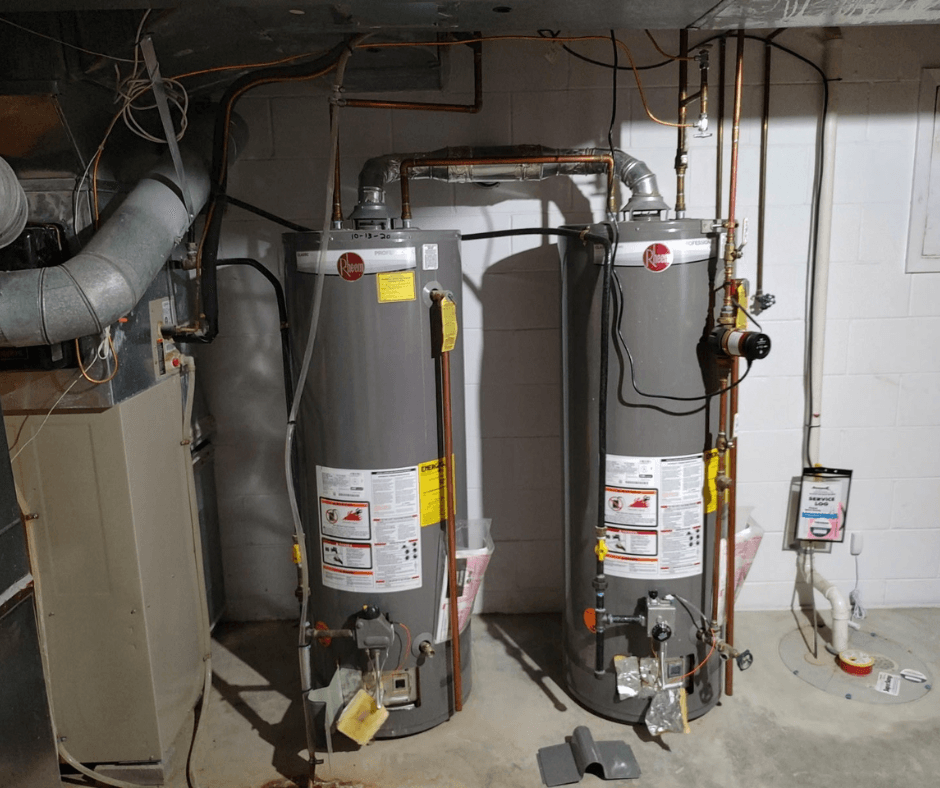
Understanding what hard water does, how it impacts fixtures and water heaters, and what steps you can take to protect your plumbing system can make a significant difference. With the right knowledge and preventive solutions in place, Omaha homeowners can extend the life of their plumbing, improve efficiency, and save thousands in avoidable repairs over time.
⚠️ The Problem: Hard Water Causes Hidden, Ongoing Damage
Omaha’s water contains elevated levels of minerals — primarily calcium and magnesium. While these minerals aren’t harmful to drink, they leave behind scale buildup whenever water is heated, evaporates, or flows through plumbing components.
Over time, this mineral scale coats the inside of pipes, fixtures, and appliances, narrowing water pathways and forcing systems to work harder than designed.
Common warning signs of hard water damage include:
- White, chalky residue on faucets and showerheads
- Reduced water flow or uneven spray patterns
- Spots and film on dishes and glassware
- Dry skin, brittle hair, and dull laundry
- Noisy, inefficient, or slow-heating water heaters
🧰 How Hard Water Damages Plumbing Fixtures
1. Faucet and Showerhead Buildup
Mineral deposits clog aerators and spray nozzles, restricting flow and reducing water pressure. Over time, cleaning becomes less effective as scale hardens.
2. Staining and Surface Damage
Hard water scale dulls finishes on sinks, tubs, and fixtures. In many cases, the damage becomes permanent, even with aggressive cleaning.
3. Premature Fixture Failure
Internal components — cartridges, valves, and seals — wear out faster when coated in mineral deposits, leading to leaks and malfunction.
4. Reduced Water Pressure Throughout the Home
As scale builds inside pipes and fittings, the effective pipe diameter shrinks, causing gradual but noticeable pressure loss.
🧰 How Hard Water Affects Water Heaters
1. Sediment Buildup Inside the Tank
In tank-style water heaters, minerals settle at the bottom and harden into sediment, reducing usable capacity.
2. Increased Energy Use
Sediment acts as insulation between the heating element or burner and the water, forcing the heater to run longer and consume more energy.
3. Shortened Water Heater Lifespan
Excess heat and corrosion caused by sediment accelerate tank deterioration, often leading to early failure.
4. Noisy Operation
Popping, cracking, or rumbling sounds are common as water trapped beneath hardened sediment boils violently.
✅ How to Protect Fixtures and Water Heaters From Hard Water
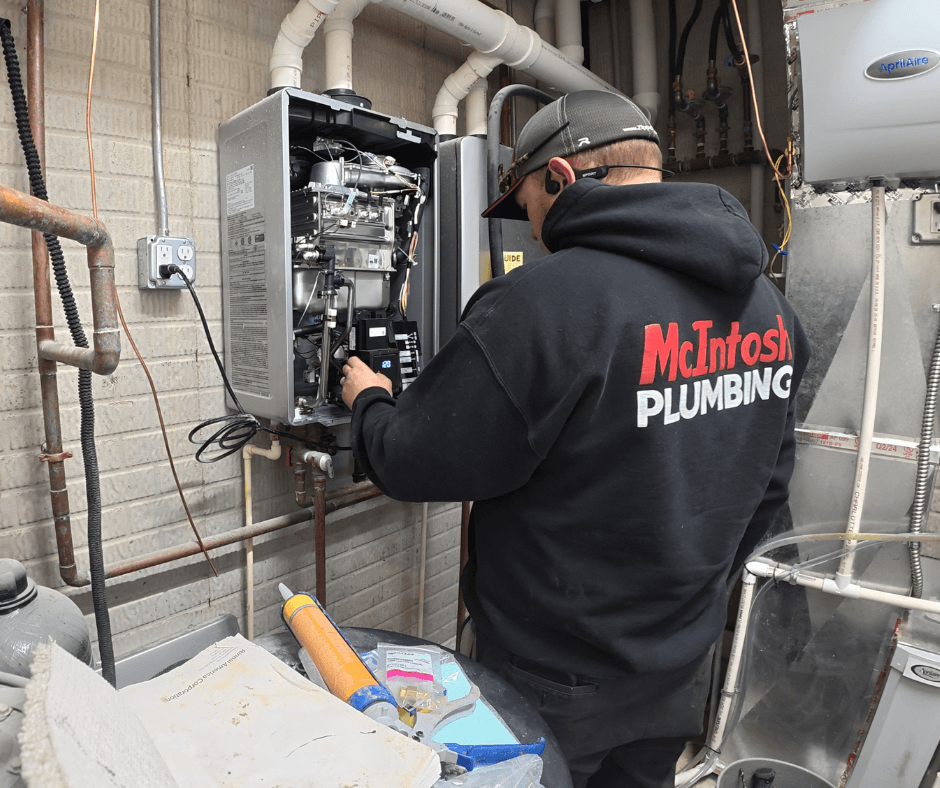
1. Install a Whole-Home Water Softener
Water softeners remove excess minerals before they enter your plumbing system, dramatically reducing scale formation.
2. Flush and Maintain Water Heaters
Routine flushing removes sediment, improves efficiency, and extends heater lifespan.
3. Clean Fixtures Regularly
Routine descaling prevents mineral buildup from becoming permanent.
4. Schedule Plumbing Inspections
Inspections catch early signs of hard water damage before failures occur.
🛡️ Long-Term Solutions for Omaha Homes
For many homeowners, the most effective protection is a whole-home water softening system paired with routine plumbing maintenance. This combination:
- Extends fixture and appliance lifespan
- Improves water pressure and heater efficiency
- Reduces long-term repair and replacement costs
- Improves overall water quality and comfort
🔧 Water Heater Repair vs Replace Guide (Omaha Homes)
Hard water is one of the leading reasons Omaha homeowners face the repair vs replace decision sooner than expected. Use this guide to make a smart call.
✅ Repair May Make Sense If:
- The water heater is under 8–10 years old
- The issue is limited to heating elements, thermostats, or valves
- There’s minimal sediment buildup
- The tank itself is not leaking
- Energy efficiency hasn’t dropped significantly
Repairs can be cost-effective when the tank is structurally sound.
❌ Replacement Is Often the Better Choice If:
- The water heater is 10–12+ years old
- There’s heavy sediment buildup from hard water
- The tank is leaking or corroded
- Repairs are becoming frequent
- Energy bills continue rising
- Hot water runs out quickly
In Omaha homes with hard water, replacement is often more economical than repeated repairs.
💬 Stop Hard Water Damage Before It Gets Expensive
At McIntosh Plumbing, we help Omaha homeowners protect their plumbing systems from hard water damage with proven, long-term solutions — not quick fixes.
From water softener installation and water heater maintenance to honest repair-versus-replacement guidance, our licensed plumbers tailor solutions to Omaha’s water conditions.
Schedule a water quality or water heater inspection today and protect your fixtures and appliances from hard water damage.
📍 Local. Experienced. Preventive.
🔧 Done right. On time. Built to last.
Related Topics: Omaha Water Heater Repairs: What You Need to Know
Need Help? McIntosh Plumbing Is Here.
Licensed plumbers serving Council Bluffs, Omaha, and surrounding communities. Same-day service available.
Water Heater Repair & Replacement · Faucet & Fixture Installation · Plumber in Omaha, NE · Contact Us